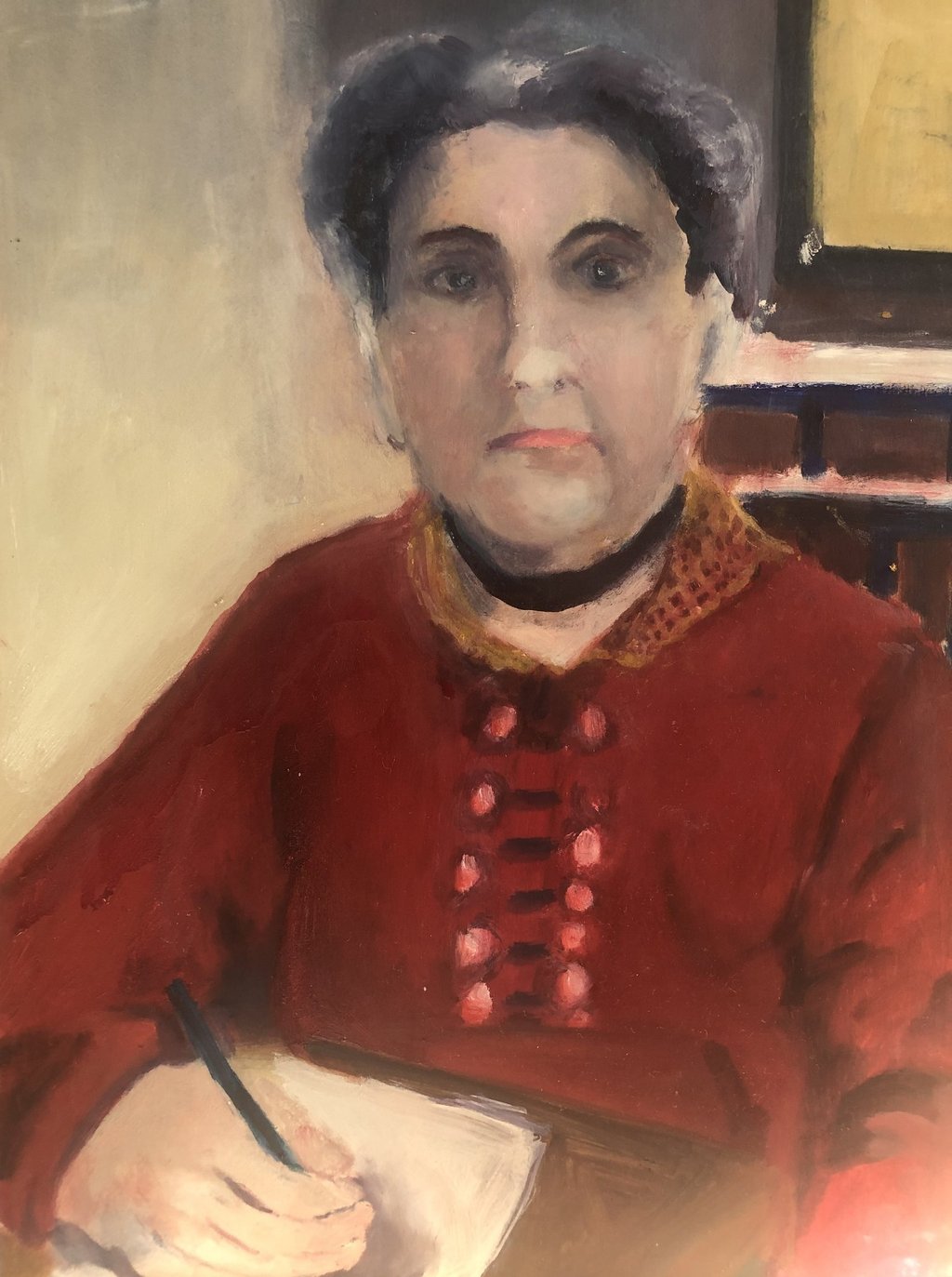
Jane Addams was an American social reformer, public philosopher, and peace activist, widely regarded as the founder of the social work profession in the United States. She was born on September 6, 1860, in Cedarville, Illinois, and died on May 21, 1935, in Chicago.
Addams was a co-recipient of the 1931 Nobel Peace Prize, sharing the award with Nicholas Murray Butler. She was the first American woman to be honored with the prize. She was recognized for her lifelong devotion to peace, particularly her efforts to promote disarmament and achieve peaceful resolutions to international conflicts.
Her most famous work began in 1889 when she co-founded Hull-House in Chicago with Ellen Gates Starr. Inspired by the settlement house movement in London, Hull-House became the first settlement house in the United States and a major center for social reform. Addams and other residents lived and worked among the poor and newly arrived European immigrants in the neighborhood, providing essential services like education, childcare, libraries, and medical aid. The work at Hull-House not only helped the community but also laid the groundwork for important social and legislative changes, including child labor laws and protective legislation for women.
In addition to her groundbreaking social work, Addams was a committed pacifist. She was a major figure in the anti-imperialist movement and, during World War I, she was an outspoken opponent of the conflict. In 1915, she founded the Women's International League for Peace and Freedom (WILPF), which called for a negotiated end to the war and later advocated for disarmament and international cooperation. Despite being labeled unpatriotic by some during the war, her persistent efforts in advancing humanitarian values and seeking alternatives to violence eventually led to her global recognition as a champion of peace.
MLA: Jane Addams – Facts. NobelPrize.org. Nobel Prize Outreach 2025. Thu. 4 Dec 2025. <https://www.nobelprize.org/prizes/peace/1931/addams/facts/>
MLA: Jane Addams photo https://www.hoover.org/research/jane-addams-1860-1935